
Bear Tide Log Book

Log Entry: October 20, 2026
Why Cold Water Matters: The Science Behind Firmer, Better Oysters
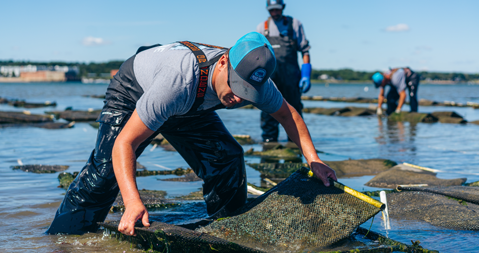
Why Cold Water Matters: The Science Behind Firmer, Better Oysters
Ever notice how oysters from different regions taste and feel different? Water temperature plays a huge role. Here’s why Plymouth’s cold waters produce exceptional oysters—without getting too deep into the science.
THE BASIC PRINCIPLE
Think of it this way: cold water is like a natural gym for oysters. Just as athletes training in high altitude develop better endurance, oysters growing in cold water develop firmer meat and more complex flavors.
Cold-water oysters grow slower than their warm-water cousins. This slower growth gives them time to develop denser meat and more intricate flavor profiles. It’s quality over quantity—and you can taste the difference.
METABOLISM & GROWTH RATE
Oysters are cold-blooded creatures, meaning their body temperature matches their environment. In cold water, their metabolism slows down. They eat less, grow slower, and use energy more efficiently.
What this means for you:
- Firmer texture: The meat develops more slowly, creating denser, less watery flesh
- Better meat-to-shell ratio: Cold-water oysters pack more meat into their shells
- Longer shelf life: Slower metabolism means they stay fresh longer after harvest
In warm water, oysters grow fast but can have softer, waterier meat. They’re still delicious, just different—like the difference between a slow-roasted meal and fast food.
FLAVOR DEVELOPMENT
Cold water creates complexity.
As oysters feed in chilly waters, they accumulate glycogen (a type of sugar) more gradually. This creates a more balanced sweetness rather than an overwhelming one. The result? That distinctive sweet-salty balance that defines premium oysters.
Temperature also affects the types and concentrations of minerals oysters absorb from the water. Cold waters tend to have higher mineral content, contributing to the crisp, clean, almost metallic finish that oyster lovers prize.
Plymouth’s cold waters create oysters with bright, clear flavors—salty yes, but with sweet notes and mineral complexity that evolves as you chew.
SEASONAL VARIATIONS
Here’s where it gets interesting: even in the same location, water temperature varies by season, affecting oyster characteristics.
Winter oysters (coldest water): Firmest meat, most concentrated flavors, highest glycogen content. These are often considered the best.
Spring oysters (water warming): Still excellent, with meat beginning to plump as oysters prepare for spawning.
Summer oysters (warmest water): Meat can be slightly softer, especially during spawning season. Still delicious, just different.
Fall oysters (water cooling): Oysters are fattening up for winter, developing rich, full flavors.
THE SPAWNING FACTOR
Water temperature triggers spawning (reproduction). In warmer waters, oysters spawn earlier and longer. During spawning, oysters use energy for reproduction rather than meat development, resulting in thinner, milky-tasting meat.
Cold-water oysters have a shorter spawning season—or in very cold waters, may not spawn at all some years. This means more months of prime eating.
Plymouth’s cool waters keep spawning brief and controlled, ensuring Bear Tide Oysters maintain quality year-round.
HANDLING & STORAGE BENEFITS
Cold-water oysters are simply hardier. They’re adapted to cooler temperatures, which means:
- They handle the cold storage required for safe shipping better
- They’re less stressed by temperature fluctuations during transport
- They maintain quality longer from harvest to table
An oyster that evolved in 50°F water is going to do just fine sitting on ice at 35°F. An oyster used to 70°F water? That cold storage is more stressful.
COMPARING COLD VS. WARM WATER OYSTERS
Cold Water (like Plymouth):
- Firm, dense meat
- Clean, crisp flavors
- Pronounced brininess with sweet finish
- Mineral complexity
- Excellent year-round consistency
Warm Water (like Gulf Coast):
- Softer, more delicate meat
- Milder, sometimes buttery flavors
- Less briny, more subtle
- Shorter shelf life
- More seasonal variation
Neither is "better"—they’re different. But if you prefer firm texture and bold, complex flavors, cold-water oysters are your choice.
THE PLYMOUTH ADVANTAGE
Plymouth sits in that cold-water sweet spot. The water is cold enough to produce firm, flavorful oysters but not so frigid that growth crawls to a standstill.
Combined with Plymouth’s other advantages—nutrient-rich waters, strong tidal flow, optimal salinity—you get oysters that are both beautifully textured and intensely flavorful.
THE TAKEAWAY
Water temperature isn’t just a random variable—it’s a fundamental factor that shapes every aspect of oyster quality. Cold water creates firmer, more flavorful, more consistent oysters.
When you bite into a Bear Tide Oyster, that satisfying firmness and clean, complex flavor? That’s cold Plymouth water at work.
Now you know why location—and temperature—matter so much!